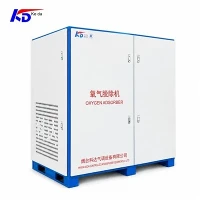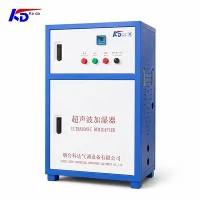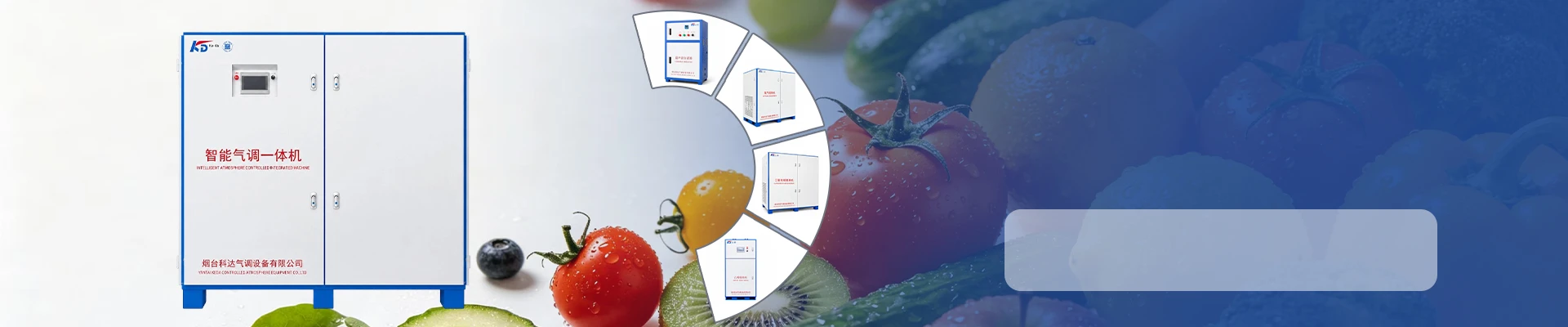
Fruits and vegetables remain biologically active after harvest and keep respiring. Oxygen is the core element that drives respiration. Ordinary refrigeration only slows metabolism by low temperature and cannot suppress respiration fundamentally. In contrast, controlled atmosphere cold storage relies on an airtight enclosure matched with an oxygen removal system to precisely lower the oxygen concentration inside the room.
Different types of fruits and vegetables require different oxygen setpoints. Long-storage produce such as Qiuyue pears, apples and kiwifruit are usually kept in a stable low-oxygen environment of 1%–5%. Lower oxygen is not always better. Excessively low oxygen triggers anaerobic respiration, which leads to fermentation, off-flavors and flesh breakdown. Therefore, gas sensors monitor conditions in real time, and the equipment starts and stops automatically for adjustment.
The oxygen removal equipment circulates and treats the air inside the storage continuously to maintain the target oxygen level. Combined with low temperature, it suppresses ethylene production, delays ripening, and reduces water loss, rot and quality deterioration. This oxygen reduction solution is also standard equipment in large controlled atmosphere cold storage projects, serving as the basic guarantee for long-term off-season storage of fruits and vegetables.