


Fruits and vegetables remain metabolically active after harvest and continuously release ethylene gas. Trace ethylene as low as 0.1 ppm can trigger fruit ripening, flesh softening and chlorophyll loss. Climacteric fruits such as apples, Qiuyue pears, kiwifruits and avocados have ethylene autocatalysis. A small amount of ethylene stimulates fruits to produce more ethylene and creates a chain ripening reaction. As the industry saying goes, one spoiled fruit can ruin the whole batch, which is the main cause of high loss in ordinary cold storage.
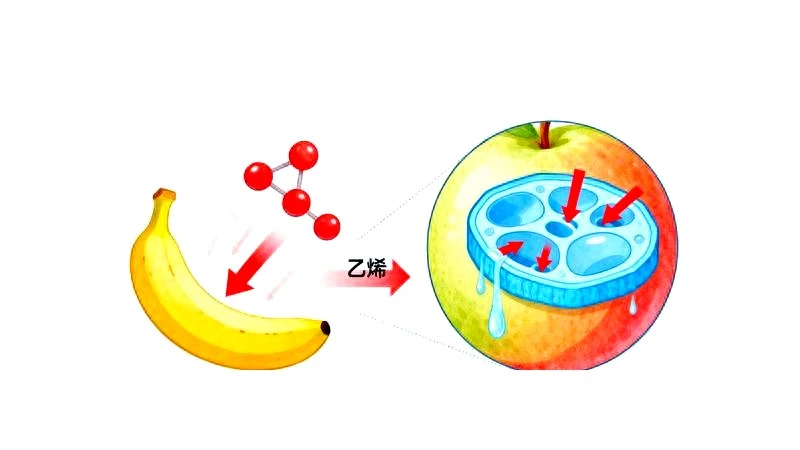
Ordinary cold storage only relies on low temperature to slow ethylene production, but cannot decompose ethylene accumulated in the air. As storage time goes on, ethylene keeps building up, fruits ripen and age gradually, storage time is limited and commercial quality declines rapidly.
One major advantage of controlled atmosphere cold storage is dual ethylene control. Firstly, the sealed warehouse maintains low oxygen and proper CO₂ level to restrain fruit respiration and reduce ethylene generation at source. Secondly, matched ethylene scrubbers circulate and purify air inside the warehouse, decompose existing ethylene, keep ethylene concentration within safe range and break the autocatalytic ripening cycle.
In real projects, CA cold storage equipped with ethylene scrubbers is widely used for long-term storage of premium fruits like Qiuyue pears, apples and kiwifruits. It steadily preserves fruit firmness, flavor and appearance, greatly extends storage life, cuts post-harvest losses and supports off-season sales and overseas shipment.
Operation tips: High ethylene-releasing fruits should never be stored together with ethylene-sensitive produce. Bruised and damaged fruits release large amounts of ethylene and must be sorted out before warehousing to cut ethylene pollution sources.
FAQ
Q: Can conventional refrigerated storage remove ethylene?
A: No. Low temperature only slows ethylene production rate instead of removing ethylene in the air. Ethylene still accumulates and accelerates fruit ripening.
Q: What fruits release high levels of ethylene?
A: Climacteric fruits including apples, Qiuyue pears, kiwifruits, bananas, avocados, mangoes and peaches produce abundant ethylene after harvest.
Q: What are two ways to manage ethylene in CA cold storage?
A: Adjust oxygen and carbon dioxide concentration to inhibit endogenous ethylene synthesis of fruits. Install ethylene scrubbers to continuously decompose ethylene inside the warehouse.
Q: What problems will excessive ethylene bring?
A: Fruits soften and fade quickly with deteriorated flavor. In severe cases, mass decay occurs, shortening storage time and causing heavy economic losses.


