


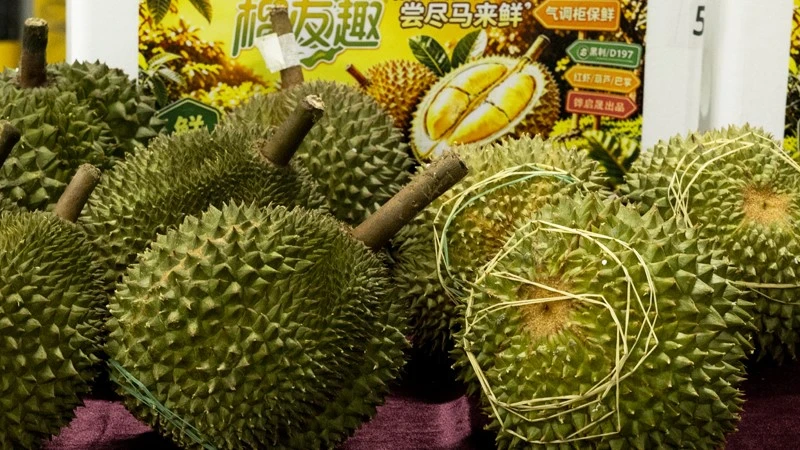
Many fruits continue to ripen after being picked from trees. This physiological activity is called postharvest ripening. Climacteric fruits such as durian, avocado, kiwi and mango show obvious ripening features. After harvest, they release large amounts of ethylene. Ethylene speeds up fruit respiration, converts starch into sugar and softens pulp. Once ripening starts, fruit quality drops rapidly and loses commercial value in a short period.
Simple low-temperature refrigeration only reduces respiration rate. It cannot stop ethylene accumulation or halt ripening. For long ocean shipping or multi-month storage, conventional cold storage carries high risks of product loss.
Controlled atmosphere cold storage slows down ripening by modifying gas composition inside the sealed chamber. The CA system reduces oxygen and raises carbon dioxide levels to restrain fruit respiration. The matched ethylene scrubber continuously removes ethylene and blocks the ripening trigger. Combined effects greatly delay postharvest ripening, keeping original firmness, color and taste.
Fruits have different ripening characteristics. CA cold storage supports customized gas parameters for different produce. Kiwifruit and apples can be stored for several months. Export products like durian and avocado can control ripening during long-distance transport. The fruits reach proper ripeness for sale upon arrival.
For fruit plantations, fresh produce exporters and cold chain operators, controlling postharvest ripening means better preservation. CA cold storage extends sales windows, cuts decay losses and improves profits of cross-border fresh trade.
FAQ
Q: What is postharvest ripening of fruits?
A: Postharvest ripening is the physiological process where fruits keep ripening, softening and changing flavor after harvest. Some fruits are unripe when picked and complete ripening during transportation and storage.
Q: What is the relationship between ripening and ethylene?
A: Ethylene is a ripening hormone. Fruits release ethylene during ripening. Ethylene accelerates ripening of the whole batch and causes cascading decay.
Q: Can regular cold storage stop postharvest ripening?
A: No. Low temperature can only slow down ripening. It cannot inhibit ethylene build-up, so ripening still proceeds gradually.
Q: How does CA cold storage inhibit ripening?
A: CA cold storage adjusts O₂ and CO₂ levels in an airtight room to reduce respiration. With ethylene removal equipment to eliminate ripening gas, it restrains postharvest ripening in two ways.
Q: Which fruits need ripening control?
A: Climacteric fruits including avocado, durian, kiwi, apple, mango and banana have strong ripening response and are ideal for controlled atmosphere storage.


